
Divorce- The Final Verdict On Marriage
Divorce is not just a legal process. It is a deeply human experience. It marks the end of a relationship that once began with hope. It is the breaking of promises. It is also sometimes the beginning of peace. Divorce has two sides, one being legal and the other being emotional. Books teach us law. […]
Trademark Objections and Oppositions: What Businesses Should Do Before It’s Too Late
For many businesses, filing a trademark feels like the final step in protecting a brand. Once the application is submitted, there is a sense of relief, as if ownership is already secured. In practice, that assumption often proves costly. Trademark registration in India involves scrutiny at multiple stages, and objections or oppositions can arise long […]
Domestic Violence Complaints in India: Legal Rights, Misuse Allegations, and Judicial Safeguards
Domestic violence is not always visible. In many Indian households, it takes the form of control, fear, financial pressure, and emotional harm rather than visible bruises. The law recognises this reality. Over the years, Indian courts have repeatedly acknowledged that violence inside the home requires a legal response that is sensitive, accessible, and effective. At […]
Bail in Non-Bailable Offences: Key Factors Courts Consider Before Granting Relief
Bail in non-bailable offences sits at the intersection of two competing concerns. On one side is the individual’s right to personal liberty. On the other is the State’s duty to ensure effective investigation and protect public interest. Indian courts are often required to walk this fine line, especially in serious criminal cases where emotions, public […]
Mutual Consent Divorce vs Contested Divorce: Choosing the Right Legal Path
Deciding to end a marriage is rarely simple. Beyond the emotional weight, couples are often faced with a legal question that shapes everything that follows. Should they opt for a mutual consent divorce or pursue a contested divorce? Indian divorce law offers both paths, but each comes with its own process, timeline, and practical impact. […]
Maintenance and Alimony Trends in Indian Courts: What Has Changed in Recent Judgments.
Statutory Overview: Indian maintenance law provides a speedy remedy for desertion. Section 125 of the Criminal Procedure Code (CrPC) obliges a husband (or father) “having sufficient means” to pay monthly maintenance to his wife (or child, parent) “unable to maintain herself”. The provision is deliberately social‐welfare oriented, intended to prevent destitution. Under personal law, Sections […]
PoSH Compliance: Common Mistakes Companies Still Make Despite Clear Legal Guidelines
Introduction: Compliance on Paper vs Compliance in Practice The Sexual Harassment of Women at Workplace (Prevention, Prohibition and Redressal) Act, 2013 (“PoSH Act”) was enacted to create safe and dignified workplaces by institutionalising accountability, prevention, and redressal mechanisms. Despite over a decade of statutory clarity and judicial reinforcement, PoSH non-compliance remains widespread across sectors in […]
Title Due Diligence in Property Transactions: Red Flags Buyers Commonly Miss

Introduction Title due diligence is the backbone of any real estate transaction. While buyers often focus on price, location, and possession timelines, defects in title can render an otherwise lucrative purchase legally vulnerable or commercially unviable. In India, fragmented land records, layered ownership histories, and overlapping statutory regimes make title verification a complex legal exercise […]
Strategic Use of Interim Injunctions: How Early Court Orders Decide the Fate of Civil Suits
Strategic Use of Interim Injunctions: How Early Court Orders Decide the Fate of Civil Suits Interim injunctions (also called temporary or interlocutory injunctions) are powerful remedies in Indian civil litigation, designed to preserve the rights of parties before the final outcome of a lawsuit. These are ad hoc court orders issued at an early stage […]
Supreme Court Reverses Custody Order While Prioritising Child’s Mental Health
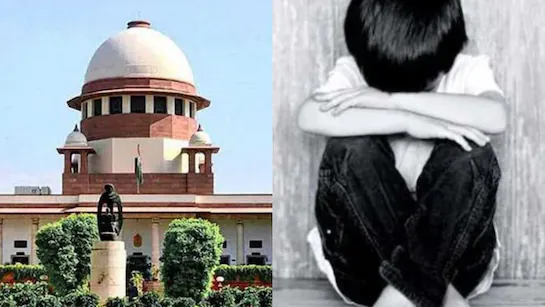
– T. R AISIRI RAO In an uncommon move, the Supreme Court while exercising its power under Article 137 has overturned its previous judgement of granting permanent custody of a 12-year-old boy to his biological father after. The Court’s decision was prompted by new psychological evidence indicating that separation from his mother has a severe […]